
Opportunities for major upgrades to Antigua and Barbuda’s fisheries sector and coastal management systems have emerged following high-level talks in Japan aimed at strengthening cooperation in agriculture, marine development and sustainable economic growth.
The Minister for Agriculture reported to Cabinet that a recent official visit to Japan included discussions with senior officials from Japan’s Ministry of Foreign Affairs, focusing on technical and financial support for the modernization of fisheries infrastructure.
According to the update, Japanese counterparts provided guidance on formal channels through which Antigua and Barbuda can access grant funding and technical assistance, including engagement through diplomatic missions and development cooperation frameworks.
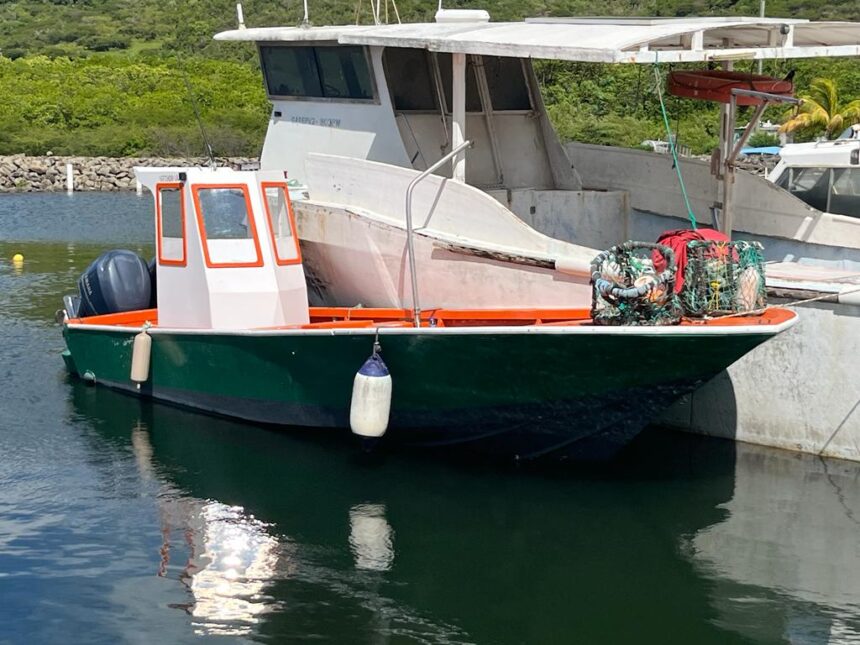
A key area of focus was the refurbishment and modernization of fisheries facilities, with discussions also extending to the improvement of fish and vegetable markets. Officials indicated that such upgrades would strengthen food security, improve supply chains, and expand opportunities for local farmers, fishers and vendors.
The mission also included meetings with the Sasakawa Peace Foundation and affiliated organisations, which have an established record of supporting marine and fisheries initiatives in developing countries, including across the Caribbean region.
One of the most significant areas of discussion centred on the growing challenge of sargassum seaweed influxes, which have increasingly affected Caribbean coastlines, fisheries operations and tourism-related activities in recent years.
Japanese partners explored the possibility of supporting the establishment of a seaweed management and processing facility in Antigua and Barbuda, an initiative that could convert a persistent environmental problem into an economic resource through processing and value-added use.
If advanced, officials say the proposal could deliver both environmental relief for coastal communities and new commercial opportunities linked to the emerging blue economy.
The discussions also extended into education and cultural exchange, with Japanese officials expressing interest in expanding student exchange programmes and strengthening academic partnerships with institutions in Antigua and Barbuda.
Particular emphasis was placed on marine sciences, agricultural innovation, technology transfer and skills development, areas seen as critical to long-term sustainable growth.
Cabinet was also informed that the visit reinforced the importance of sustainable ocean governance and stronger policy frameworks to support investment in marine-based industries.
The Government has been pursuing broader blue economy strategies aimed at balancing economic development with marine conservation, particularly as climate-related pressures continue to affect small island states.
Officials described the outcomes of the Japan mission as constructive, noting that the relationships developed during the visit could translate into practical support for infrastructure, capacity building and environmental management in the near future.
Cabinet expressed optimism that continued engagement with Japan and affiliated organisations will yield tangible benefits for Antigua and Barbuda’s fisheries sector and broader sustainable development agenda.