
Antigua and Barbuda is steadily advancing preparations to host the 2026 Commonwealth Heads of Government Meeting (CHOGM), with officials reporting strong international interest and extensive logistical planning already underway for the high-profile summit.
Cabinet received a detailed update from the country’s High Commissioner to the United Kingdom and the Director General within the Ministry of Foreign Affairs, who outlined progress across key operational areas including security, transportation, accommodation, protocol services and event coordination.
According to the briefing, planning efforts are now well advanced, with multiple delegations having already confirmed accommodation arrangements while others continue to finalise travel and logistical details ahead of the October 2026 gathering.
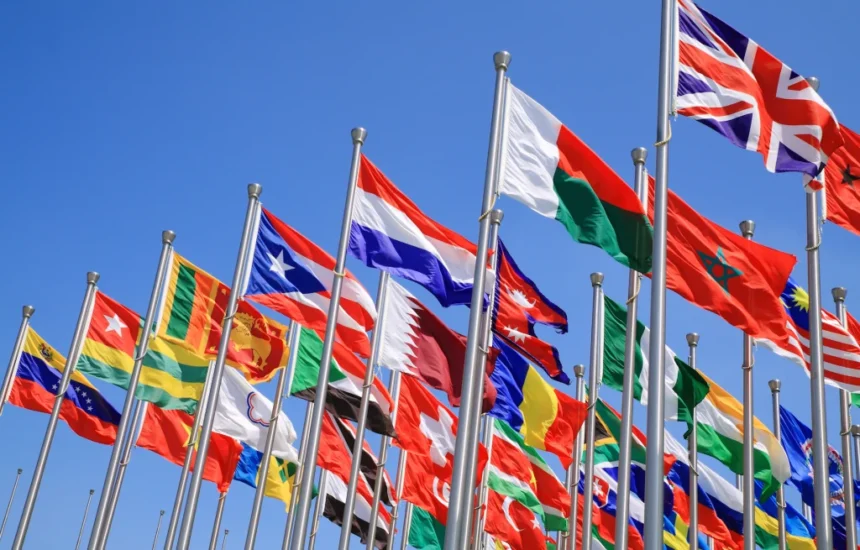
The summit is expected to attract Heads of Government and senior representatives from across the Commonwealth, positioning Antigua and Barbuda as the focal point of international diplomatic engagement during the period of the meeting.
Officials also reported strong participation interest from international organisations and development partners, with senior representatives from multilateral institutions expected to attend alongside political leaders.
Cabinet was advised that the level of international coordination reflects confidence in Antigua and Barbuda’s ability to successfully host one of the most significant recurring meetings on the global diplomatic calendar.
Support from partner countries has already been secured in several technical and operational areas, including transportation logistics, security planning, cybersecurity systems, accreditation processes and specialist event management support.
Airlines servicing Antigua and Barbuda have also been engaged to increase capacity and improve scheduling flexibility to accommodate the anticipated surge in visitors, delegates and support personnel.
Infrastructure readiness remains a central focus, with work ongoing to enhance transportation networks, communications systems, emergency response capacity and hospitality services ahead of the event.
Officials indicated that more than 800 individuals have expressed interest in volunteering for CHOGM 2026, while over 130 Delegation Liaison Officers have already been identified to support visiting delegations directly.
Training programmes for volunteers and protocol personnel are expected to continue in the coming months to ensure service delivery meets international standards.
Alongside the leaders’ summit, preparations are also advancing for a series of parallel events, including the Commonwealth Youth Forum, Women’s Forum and Business Forum, which will bring together stakeholders from across civil society, academia and the private sector.
Private sector engagement has reportedly been strong, with businesses contributing resources and services in support of national hosting efforts and associated activities.
Security planning has been described as a major priority, with coordinated measures being developed across physical security, cybersecurity and transportation systems in collaboration with regional and international partners.
Cabinet was also briefed on ongoing coordination between government ministries, statutory bodies and essential service providers to ensure seamless operations during the event period.
Officials said infrastructure upgrades, road improvements and site preparations are progressing in line with established timelines, with additional enhancements expected in the lead-up to the summit.
Cabinet expressed satisfaction with the progress achieved to date and described CHOGM 2026 as a landmark opportunity to showcase Antigua and Barbuda’s capabilities on the world stage while strengthening its international profile.
The country is expected to gain significant economic and diplomatic benefits from hosting the summit, with long-term legacy impacts anticipated in tourism, investment promotion and institutional capacity building.