

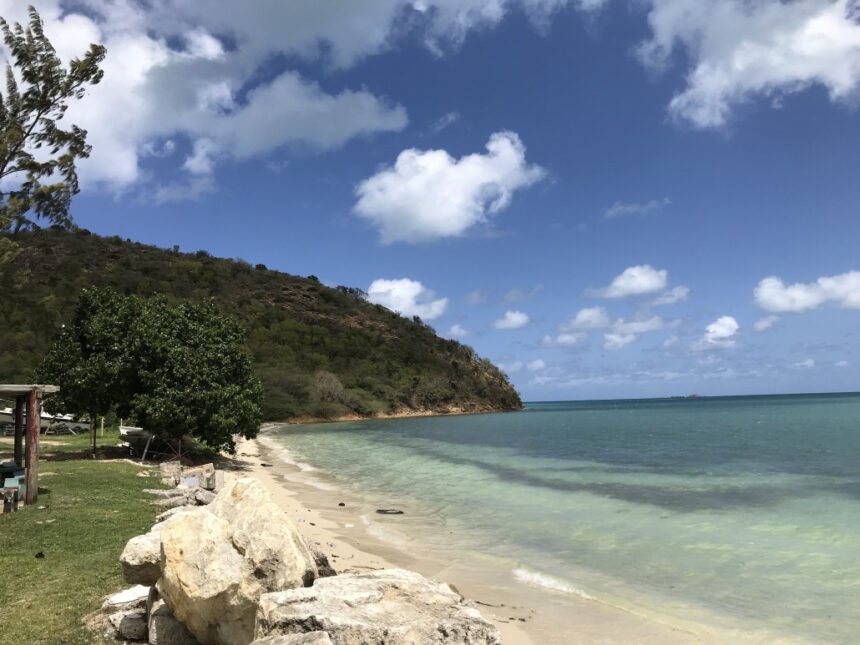
A new chapter in Antigua and Barbuda’s tourism development is set to unfold after Cabinet approved an innovative investment model that will see Government, state entities and local private investors jointly finance the construction of a new beachfront hotel at Yepton.
The project, which will be developed on approximately 15 acres of beachfront land, is being positioned as a flagship initiative aimed at increasing local ownership within the country’s most important economic sector while generating long-term returns for Antiguans and Barbudans.
Cabinet has authorised the Government, together with selected statutory corporations and state-owned enterprises, to invest up to EC$40 million in the development. The investment will be complemented by funding from local private-sector partners, creating what officials describe as a new model for public-private collaboration in the tourism industry.
According to Cabinet, one local investor has already committed EC$20 million to the project, signalling strong confidence in both the initiative and the continued growth of Antigua and Barbuda’s tourism sector. Additional financing is expected to come through the country’s Citizenship by Investment Programme (CIP), which has become an important source of funding for national development projects over the past decade.
The Yepton development forms part of a broader Government strategy aimed at ensuring that more of the wealth generated by tourism remains within the domestic economy.
Although tourism continues to account for the largest share of Antigua and Barbuda’s foreign exchange earnings and employment, successive administrations have acknowledged that ownership of many major tourism assets has historically rested with overseas investors. The latest initiative seeks to address that imbalance by creating meaningful opportunities for local businesses, institutions and citizens to acquire equity in high-value tourism developments.
Cabinet noted that expanding local participation in the tourism industry remains a central policy objective, arguing that greater domestic ownership will help strengthen economic resilience while allowing a larger proportion of tourism revenues to circulate within the national economy.
Officials believe the project will also create significant employment opportunities during both the construction and operational phases. In addition to direct jobs, the hotel is expected to generate increased demand for local contractors, suppliers, farmers, transportation providers and a range of supporting service industries.
The Yepton initiative is not intended to stand alone.
Cabinet recalled earlier decisions to make approximately 6.5 acres of beachfront land at Shell Beach and five acres at Fort James available for similar public-private investment arrangements. Those projects are expected to provide additional avenues for local entrepreneurs, pension funds, statutory corporations and other domestic investors to participate in tourism-related developments that have traditionally attracted predominantly foreign capital.
Government believes the combined initiatives represent a significant evolution in national development policy, blending public investment, private-sector financing and Citizenship by Investment resources to create nationally owned assets capable of delivering sustained economic returns.
The approach also reflects a growing regional conversation about increasing Caribbean ownership within the tourism industry. While foreign direct investment has played a vital role in developing hotels and tourism infrastructure across the region, several Caribbean governments have recently sought mechanisms to ensure that local investors have greater opportunities to participate in major projects and share more directly in the industry’s success.
Situated on Antigua’s picturesque western coastline, the Yepton area has long been recognised for its tourism potential because of its proximity to St. John’s, Dickenson Bay and several of the island’s most popular attractions. The proposed hotel is expected to further enhance the country’s accommodation offerings while complementing Antigua and Barbuda’s reputation as one of the Caribbean’s premier luxury tourism destinations.
Cabinet expressed confidence that the development will become a model for future tourism investments by demonstrating how strategic partnerships between Government and local investors can create wealth, generate employment and strengthen national ownership of key economic assets.
Officials further emphasised that the project aligns with the Government’s broader objective of fostering more inclusive economic growth by ensuring that Antiguans and Barbudans play a larger role not only as employees within the tourism sector, but also as owners and investors.
If successful, the Yepton hotel could establish a new template for tourism development in Antigua and Barbuda—one in which public institutions, private enterprise and national investment programmes work together to build assets that deliver lasting benefits to the country’s economy and its people.