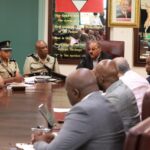

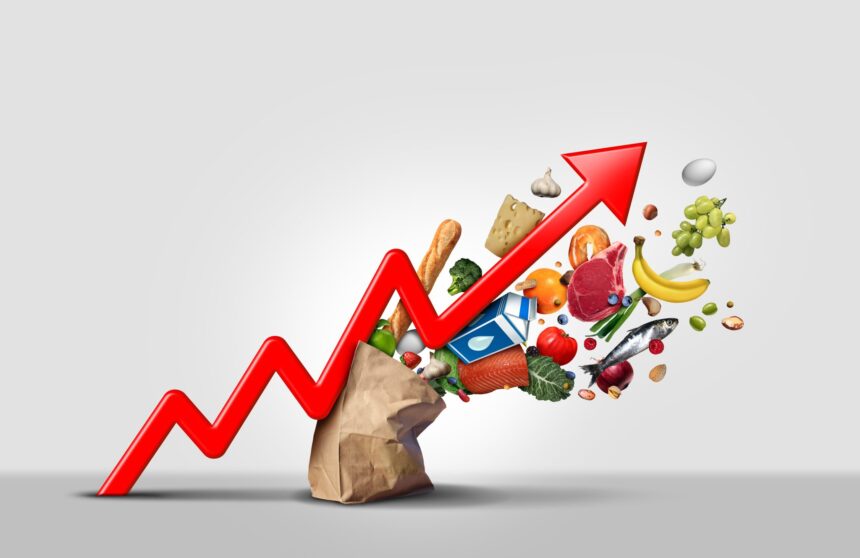
Government has approved a suite of measures aimed at easing cost-of-living pressures on households, as global economic conditions continue to drive up the price of fuel and food. The decisions, taken during Wednesday’s Cabinet meeting under the leadership of Prime Minister Gaston Browne, are intended to provide immediate and medium-term relief while strengthening economic resilience.
Central to the initiative is the temporary removal of the Antigua and Barbuda Sales Tax (ABST) on selected food items and school supplies, which will be implemented over the April 10–11 weekend ahead of the reopening of schools. The Government said the measure is designed to assist families preparing for the new school term following the Easter break.
In addition, Cabinet confirmed an increase in the national minimum wage from $9.00 to $11.50 per hour, effective April 1, 2026. Officials described the adjustment as part of a phased approach toward a previously announced $13.00 target, aimed at improving income security for low-wage earners.
Public servants are also set to benefit from a 5 per cent interim salary increase at the end of March, pending the outcome of ongoing negotiations on a broader compensation package. Cabinet stressed that the increase is not final but reflects the Government’s commitment to providing immediate relief.
Officials said the measures form part of a wider strategy focused on social protection, equitable growth, and insulating citizens from external economic shocks affecting small island developing states.